
The skincare world has been rapidly evolving, and in 2025 one trend is making waves across dermatology clinics, spas, and at-home routines: microbiome-friendly facials. With increasing awareness of how the skin’s delicate ecosystem affects overall skin health, beauty enthusiasts and dermatologists are shifting their focus from harsh, aggressive treatments to calming, restorative solutions that nurture the skin’s microbiome.
If you have reactive skin, prone to redness, irritation, breakouts, or sensitivity, microbiome-focused treatments may be the answer you’ve been searching for. This article will dive deep into what microbiome-friendly facials are, how they help calm reactive skin, and why they’re becoming a must-have in 2025 skincare routines.
Understanding the Skin Microbiome
Before we dive into facials, let’s understand what the skin microbiome is.
Your skin is home to billions of microorganisms—bacteria, fungi, and even viruses—that form a balanced ecosystem. Far from being harmful, most of these microbes are beneficial. They act as a natural shield against harmful pathogens, support skin barrier function, regulate inflammation, and help maintain hydration.
When the microbiome is in balance, your skin feels smooth, hydrated, and resilient. However, when it’s disrupted—through harsh cleansers, environmental pollution, antibiotics, or over-exfoliation—the skin barrier weakens. This leads to reactive skin, characterized by:
- Redness and irritation
- Burning or stinging sensations
- Flare-ups of acne, rosacea, or eczema
- Increased dryness or sensitivity
The solution? Treatments and facials designed to restore harmony to your skin’s microbiome.
What Are Microbiome-Friendly Facials?
Microbiome-friendly facials are professional or at-home treatments that prioritize the health of your skin’s natural ecosystem. Instead of stripping the skin with harsh acids or synthetic chemicals, these facials use gentle, science-backed ingredients to support beneficial microbes while calming inflammation.
In 2025, these facials typically include:
Prebiotic and Probiotic Ingredients
Prebiotics (such as inulin or chicory root) feed the beneficial bacteria already present on your skin.
Probiotics (like lactobacillus ferments) introduce live or bio-fermented microorganisms to strengthen your microbiome.
Postbiotics
These are byproducts of probiotics that improve skin health by reducing inflammation and boosting hydration.
Barrier-Strengthening Actives
Ingredients such as ceramides, squalane, and niacinamide that repair and fortify the skin’s natural barrier.
Gentle Cleansing & Exfoliation
Instead of aggressive scrubs, microbiome facials use enzyme-based exfoliants or mild acids that won’t disrupt microbial balance.
Soothing Botanicals
Plant-based ingredients like aloe vera, chamomile, calendula, and green tea are used to calm redness and irritation.
Why Reactive Skin Needs Microbiome Care
Reactive skin is often the result of a weakened skin barrier and an imbalanced microbiome. Traditional facials may temporarily improve texture or appearance but can worsen sensitivity in the long run.
Microbiome-friendly facials are different because they:
- Reduce Redness and Inflammation
Probiotic extracts help lower inflammatory responses, soothing sensitive skin conditions like rosacea and eczema. - Enhance Moisture Retention
By supporting a healthy barrier, these facials lock in hydration and reduce transepidermal water loss. - Strengthen Immunity
A balanced microbiome protects against harmful bacteria and pollutants, reducing breakouts and irritation. - Calm Breakouts Without Harsh Chemicals
Instead of stripping oils, these facials target acne by rebalancing microbial communities, allowing good bacteria to fight bad bacteria naturally.
The Rise of Microbiome-Friendly Facials in 2025
The global skincare industry has seen a sharp rise in consumer demand for gentle, science-based, and sustainable treatments. According to market analysts, microbiome-focused products are among the fastest-growing segments in the beauty industry in 2025.
Here’s why they’re trending:
- Increased Awareness of the Gut-Skin Connection
Consumers are more health-conscious than ever. With probiotics already a staple in gut health, people are now embracing microbiome balance for their skin. - A Shift Toward Gentle Skincare
Harsh peels, aggressive scrubs, and stripping cleansers are losing popularity as more people suffer from sensitivity due to pollution and stress. - Tech-Enhanced Skin Analysis
Skincare clinics are using AI-powered skin microbiome mapping to create personalized facial treatments tailored to each individual’s unique skin ecosystem. - Clean Beauty Movement
The focus on non-toxic, eco-friendly ingredients aligns perfectly with microbiome skincare, which avoids harsh synthetic preservatives and unnecessary chemicals.
What to Expect During a Microbiome-Friendly Facial
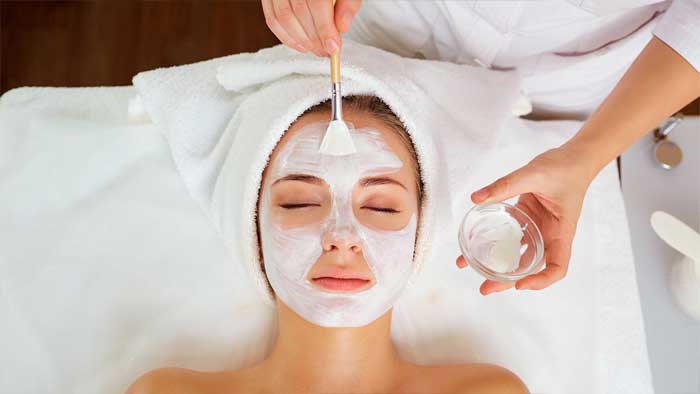
If you’re booking a microbiome facial in 2025, here’s what the process may look like:
- Skin Analysis
Many spas now use digital microbiome scanners to analyze your skin’s microbial diversity and barrier strength. - Gentle Cleansing
The aesthetician uses a sulfate-free, pH-balanced cleanser to remove impurities without stripping the skin. - Microbiome-Safe Exfoliation
Enzyme masks or mild lactic acid exfoliants are applied for gentle resurfacing. - Prebiotic & Probiotic Serum Application
Serums infused with probiotics, prebiotics, and postbiotics are massaged into the skin. - Barrier-Replenishing Mask
A hydrating mask with ceramides, squalane, and calming botanicals helps soothe irritation and restore the barrier. - Finishing Touch
The session ends with lightweight moisturizers and sunscreens formulated to protect microbial balance.
At-Home Microbiome-Friendly Skincare Routine
While professional facials are powerful, maintaining results requires a supportive at-home routine. Here’s how you can keep your microbiome happy every day:
- Switch to pH-Balanced Cleansers (around pH 5.5)
- Use a Probiotic or Prebiotic Serum daily
- Avoid Over-Exfoliating—stick to mild exfoliants once or twice per week
- Choose Barrier-Friendly Moisturizers with ceramides and fatty acids
- Protect Against UV Rays with a mineral sunscreen
- Minimize Harsh Actives (like high concentrations of benzoyl peroxide or alcohol) that disrupt microbial balance
Microbiome-Friendly Ingredients to Look For in 2025
When shopping for products or booking facials, look for these microbiome-supportive ingredients:
- Probiotics: Lactobacillus, Bifidobacterium ferments
- Prebiotics: Inulin, oat extract, alpha-glucan oligosaccharides
- Postbiotics: Lactic acid, short-chain fatty acids
- Barrier Builders: Ceramides, cholesterol, squalane, peptides
- Calming Botanicals: Aloe vera, chamomile, calendula, green tea, licorice root
Who Should Try Microbiome-Friendly Facials?
Microbiome facials are especially recommended for people with:
- Reactive or Sensitive Skin
- Chronic Redness or Rosacea
- Acne-Prone Skin
- Dry, Dehydrated Complexions
- Post-Procedure Skin (after laser or chemical peels)
Even if you don’t have reactive skin, these facials are great for maintaining a healthy, radiant glow without the risks of over-exfoliation.
In 2025, the skincare industry is shifting toward microbiome-friendly facials as the gold standard for calming reactive skin. By supporting your skin’s natural ecosystem instead of working against it, these treatments help restore balance, reduce inflammation, and protect long-term skin health.
If your skin often feels red, irritated, or overly sensitive, microbiome-focused treatments may provide the soothing relief you’ve been waiting for. Pairing professional facials with a microbiome-friendly skincare routine at home ensures lasting results and radiant, resilient skin well into the future.
If you’re unsure of which products or routines are right for you and your skin type, or if you’re looking for the best spa, cosmetics and makeup, lash extensions, facials, and skin care experts in Seattle, come see us at Babyface Spa, and we can help you look your best!